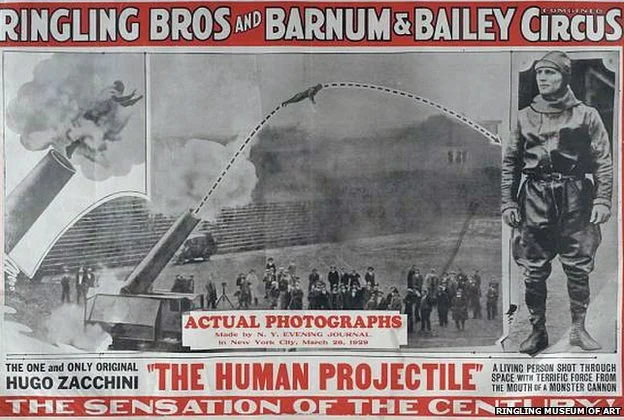
Riches to rags. One of the world’s wealthiest and well-known men once worth $50,000,000 reduced to lying on his death bed with $311 in his bank account. If life is a circus then John Ringling was a human cannonball hurtling through his time on earth, leaving an enduring legacy in his wake.
John was one of seven Ringling brothers, an ambitious group of siblings who went from their humble beginnings as sons of a harness maker to worldwide fame and acclaim as the owners of The Greatest Show on Earth. Five of the seven brothers began a small circus show in 1870 in Iowa, eventually relocating to Baraboo, Wisconsin and taking their show around their immediate area in animal drawn wagons.
By 1894, the five Ringling Bros. had grown their show immensely, necessitating a highly-organized system of railroad cars to move their massive operation. By 1907, they were able to purchase the Barnum & Bailey show, a rival traveling circus, for $400,000. A dozen years later, only two of the original five Ringling Bros. involved in the circus were still alive. The surviving two, John and Charles, decided in 1919 to merge the Ringling Bros. and the Barnum & Bailey shows together to create a circus empire that has endured to this day.
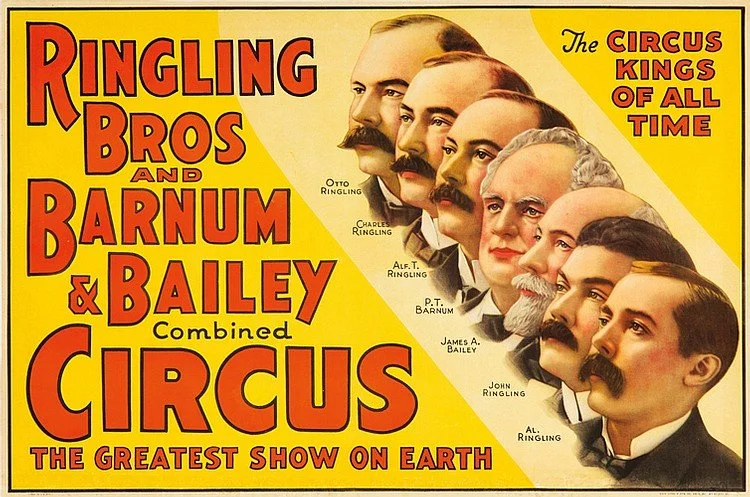
Along the way, John married Mable Burton, an ambitious young woman with good taste and a keen eye for art. She had left a factory job in Ohio to find a husband in Chicago, and boy did she find one. As the circus empire continued to grow and money poured in by the railcar, John and Mable began to build their dream home on 20 waterfront acres in Florida, in what was then the sleepy fishing village of Sarasota.
It was into these sprawling 20 acres that my brother Sam and I (and my stepdad Paul and his wife Tami and her son Chad; it’s complicated) strolled this past February as we sought to take in The Ringling. Paul had been there before and had remarked that the circus museum was okay. As such, our expectations were low and we saw this visit as a good way to kill some time before our dinner reservations. Boy were we wrong.
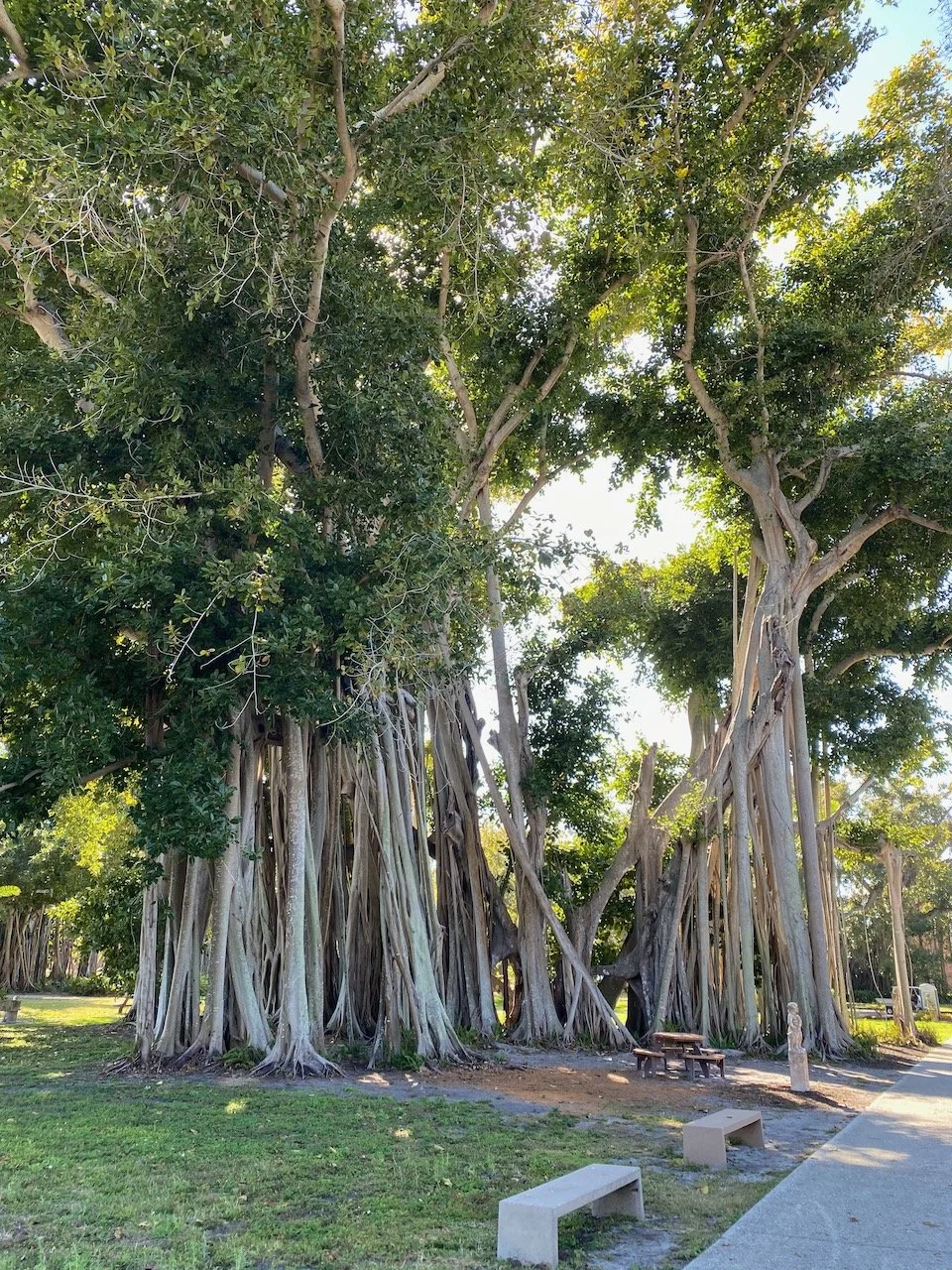
Entering the grounds, you’re first taken aback by the lovely, sprawling landscape. Egrets chatter in the ponds, their brilliant white feathers glowing in the sun as towering banyan trees with their aerial roots loom large in the distance. Downtown Sarasota can be seen across the bay as this sleepy fishing village has found commercial success in the century since John and Mable first purchased this land. The sky is blue and there is space, glorious space to breathe and wonder.
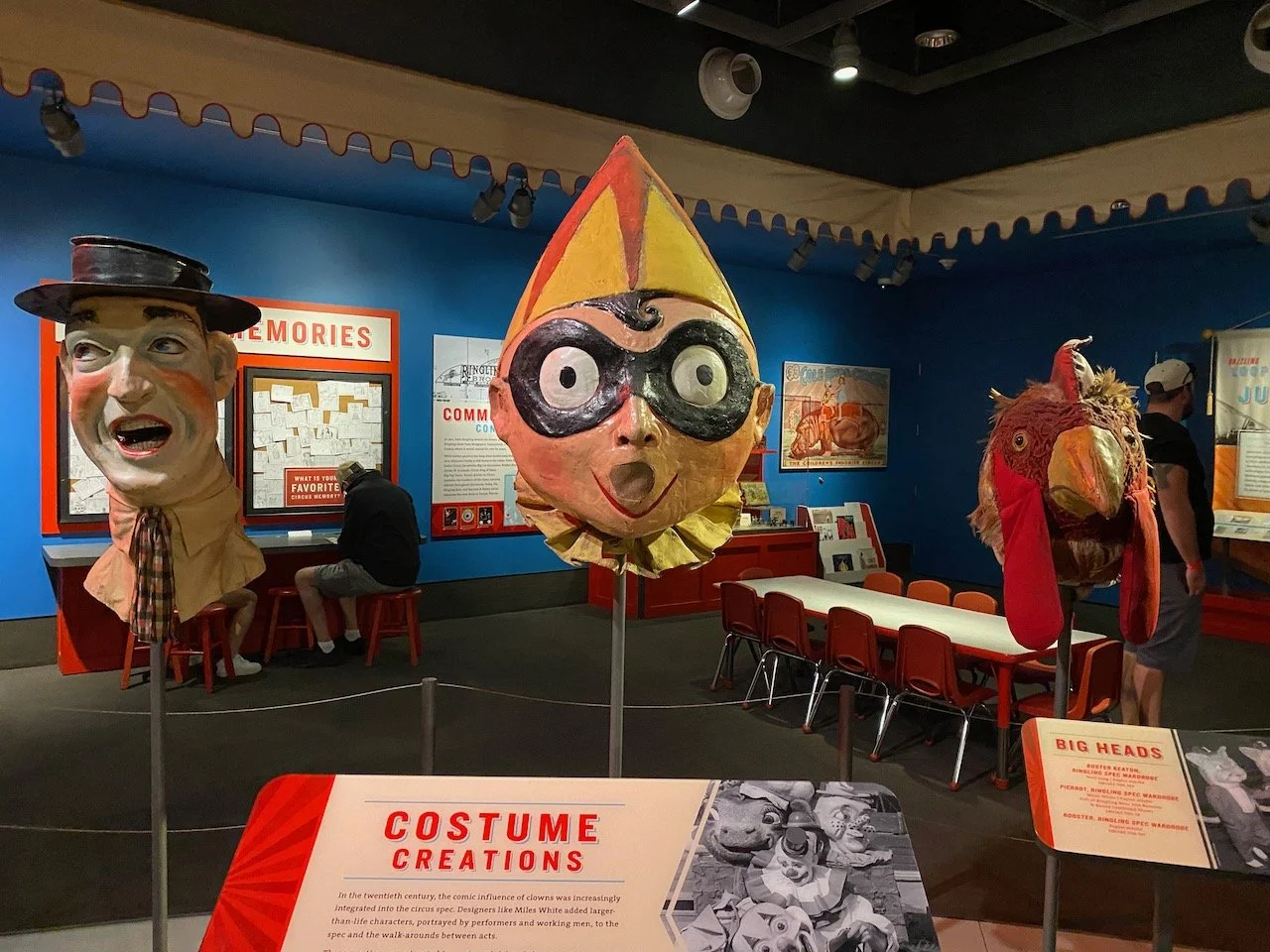
Our first stop was the circus museum, which was captivating and featured an immense room-size miniature display of the entire big-tent circus operation. It showed how the whole show was orchestrated and was complete with thousands of tiny sward swallowers and acrobats and bearded ladies and elephants. It was cool. I also thoroughly enjoyed the vintage circus posters and the display of huge comical heads that were worn as part of the clown show. What a scene!
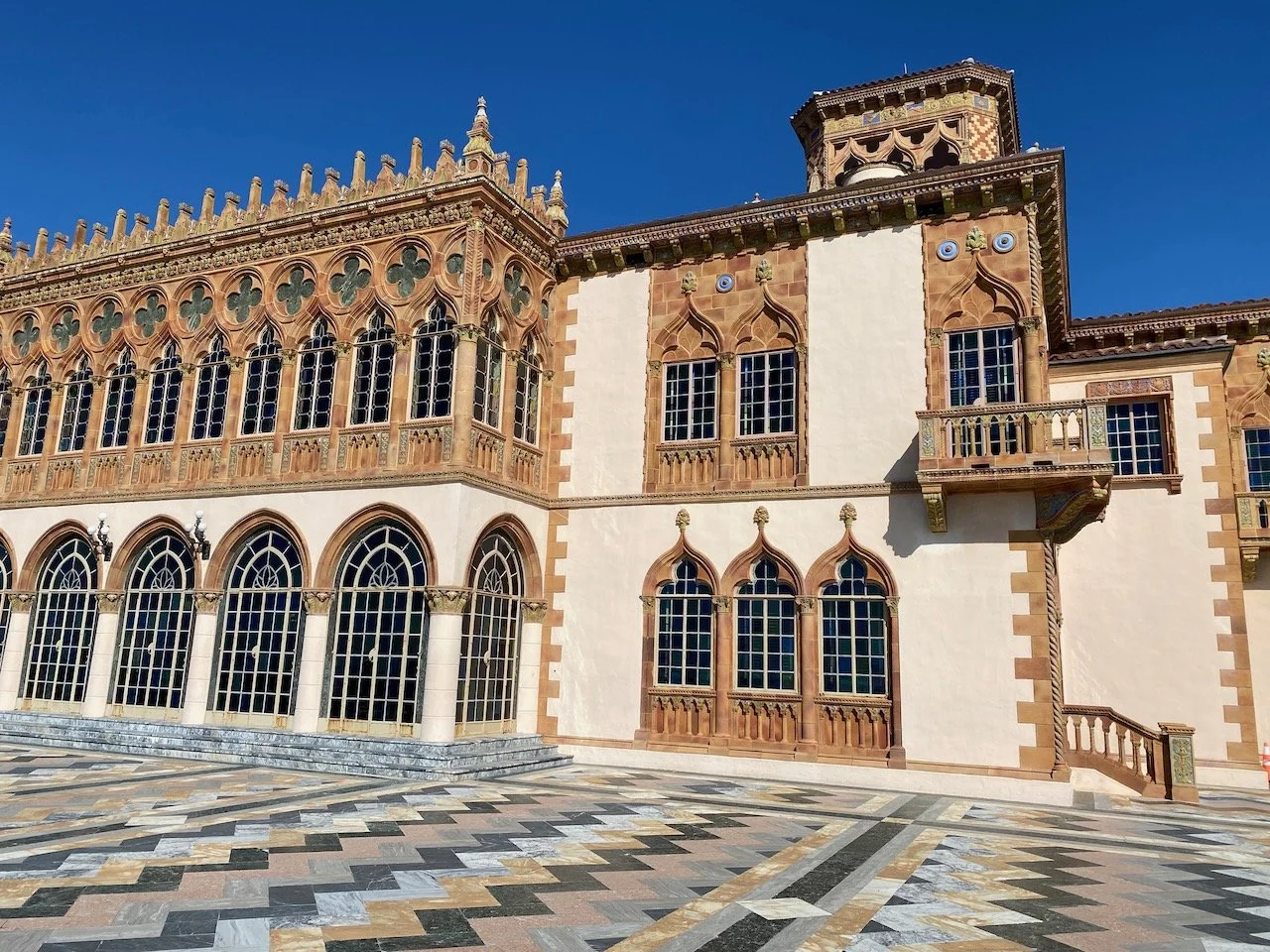
But this was only the appetizer. After ambling by the Ca’ d’Zan (the House of John in Venetian), a magnificent Mediterranean palace that feels pieced together from the best parts of Europe, we made our way to the art galleries. When picturing the type of art to be encountered on the ground of a circus museum, I must say that I was thinking it would include innumerable small oil paintings of fruit on tables, or portraits of rich aristocrats, well-painted but uninspiring. Boy was I wrong.
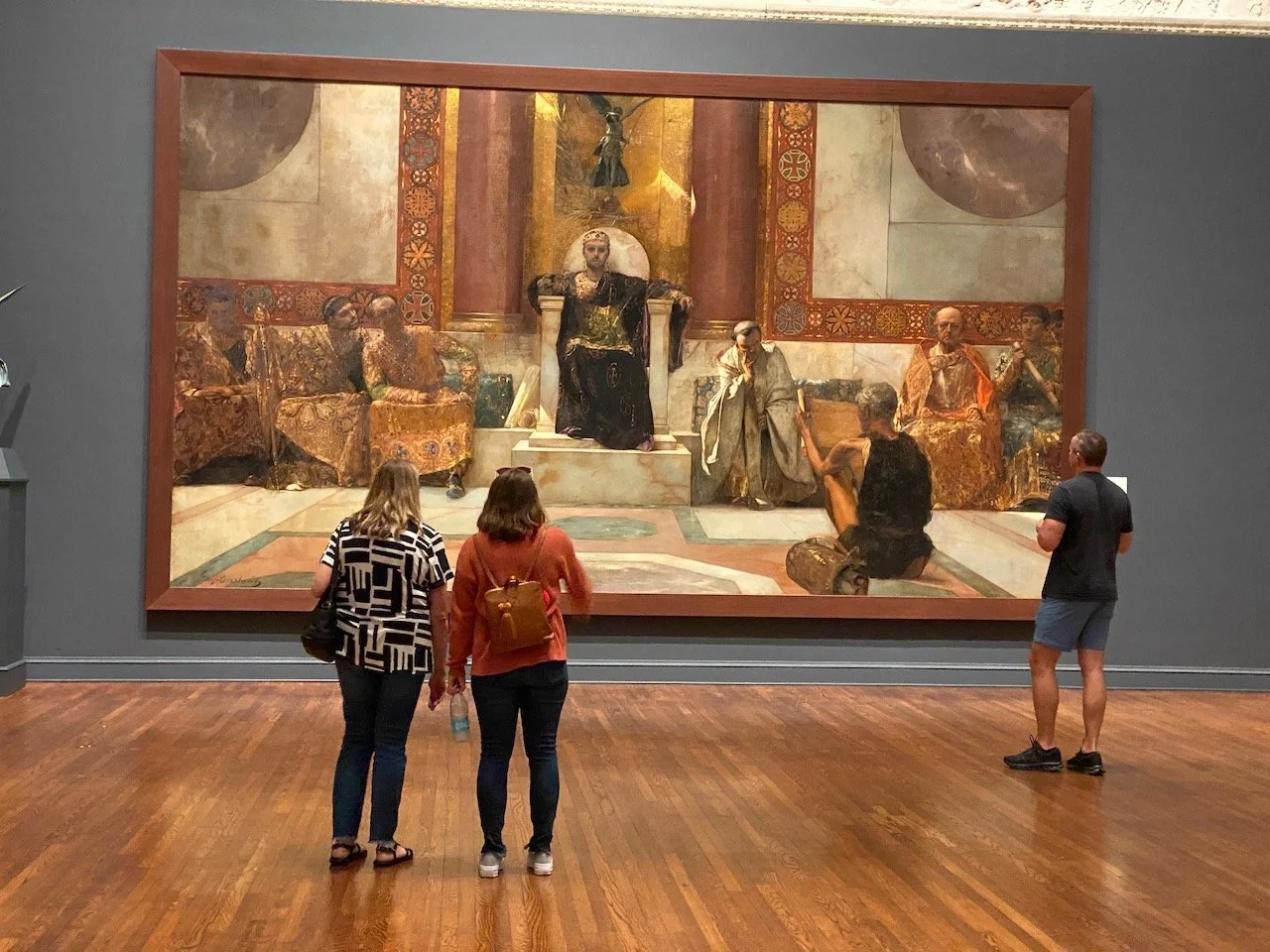
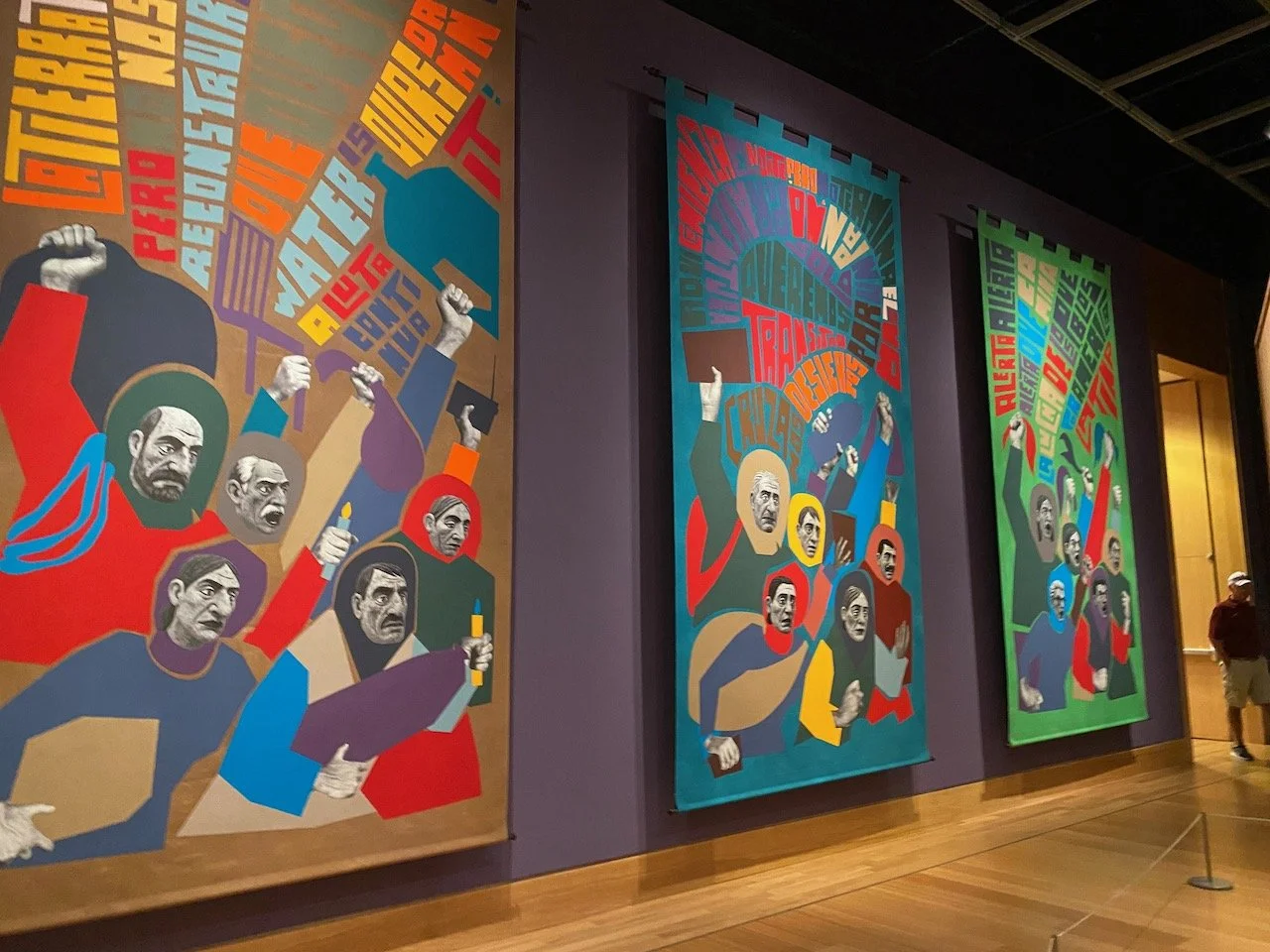
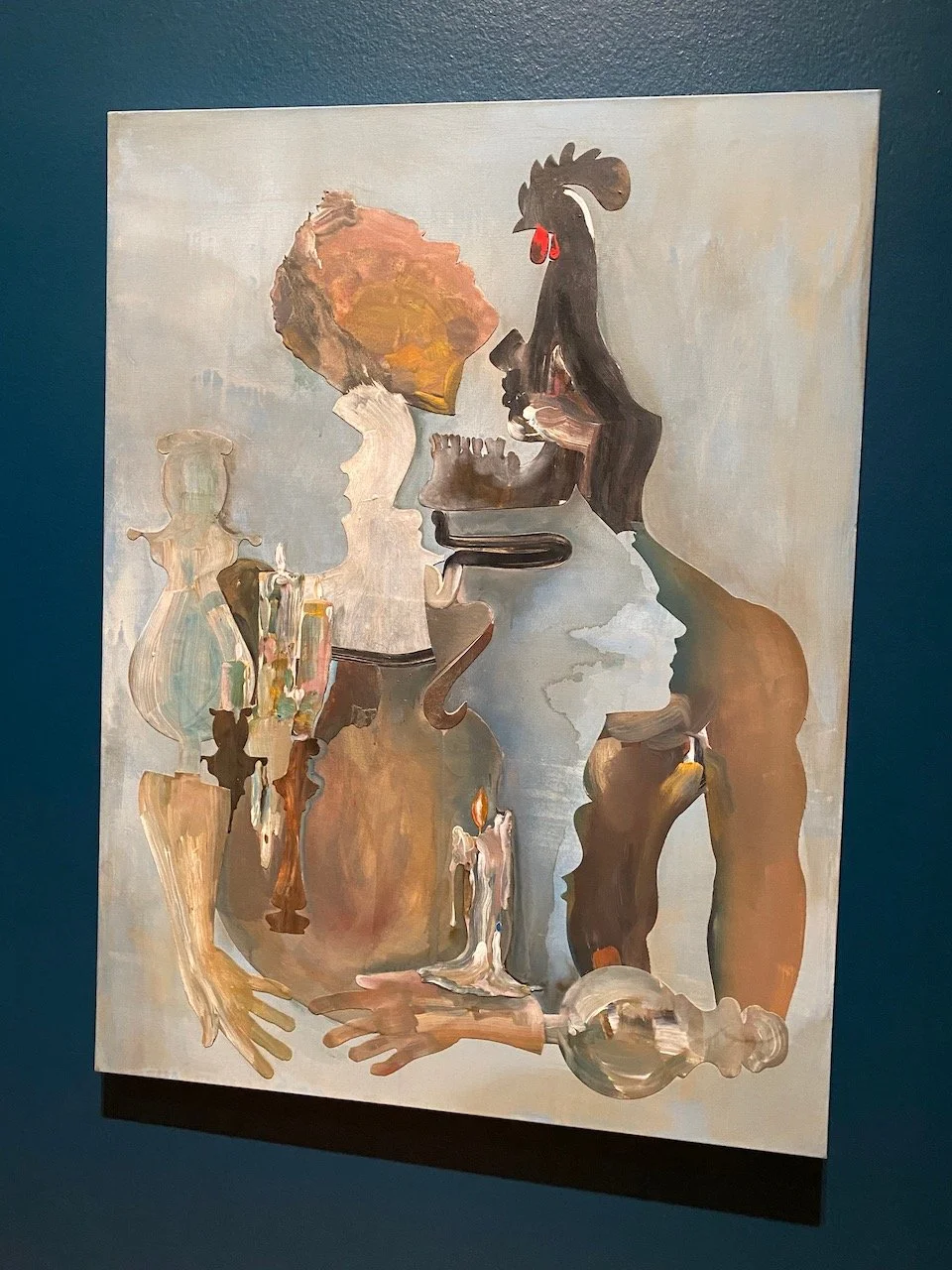
Room after illustrious room was filled with arresting contemporary displays outlining the plight of Latino immigrants, massive paintings of Roman emperors, 3,000 year-old carved stone artifacts, and yes, some small oil paintings of fruit on tables. Sculpture, weaving, ancient objects, glass art, an entire wing devoted completely to Asian art: it was a collection that left me utterly speechless. I could have spent a week wandering its rooms, let alone the hour and a half that we had allotted. What a place!
John and Mable had amassed a collection of over 600 works during their European travels with the plan to leave it to the State of Florida as their legacy. After Mable died unexpectedly in 1929 and the stock market crash left John’s wealth in tatters, he bequeathed the museum and the entire estate to the people of Florida upon his death in 1936. Since then, the grounds and the palace have been restored to their former glory and the art museums have continued to expand and flourish.
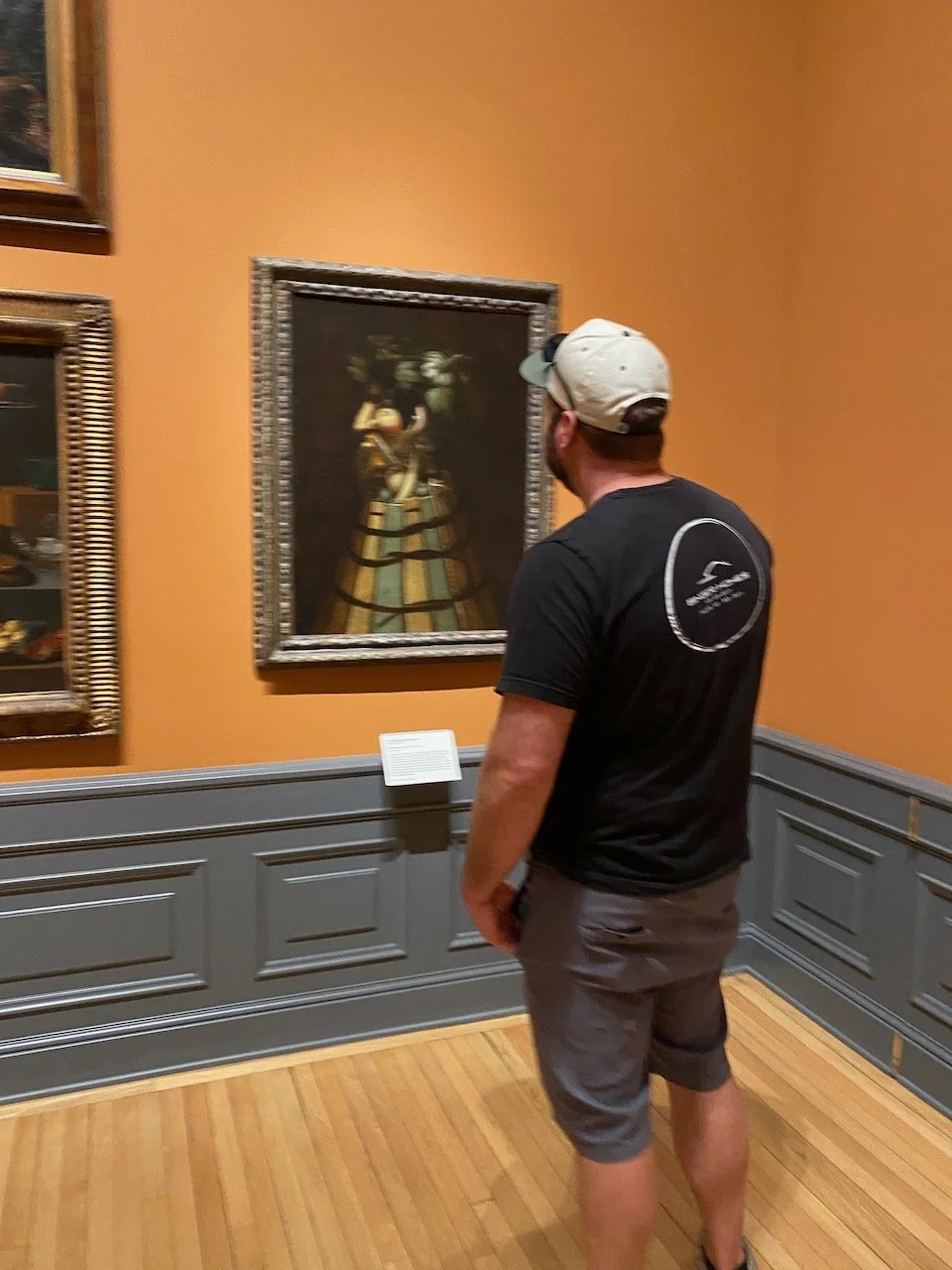
The Ringling is open to the public and is absolutely worth your time if you find yourself in Sarasota. While you’re there, take a moment to think of John and Mable Ringling, two human cannonballs that left a lasting legacy of art and beauty on the shores of Sarasota Bay.